



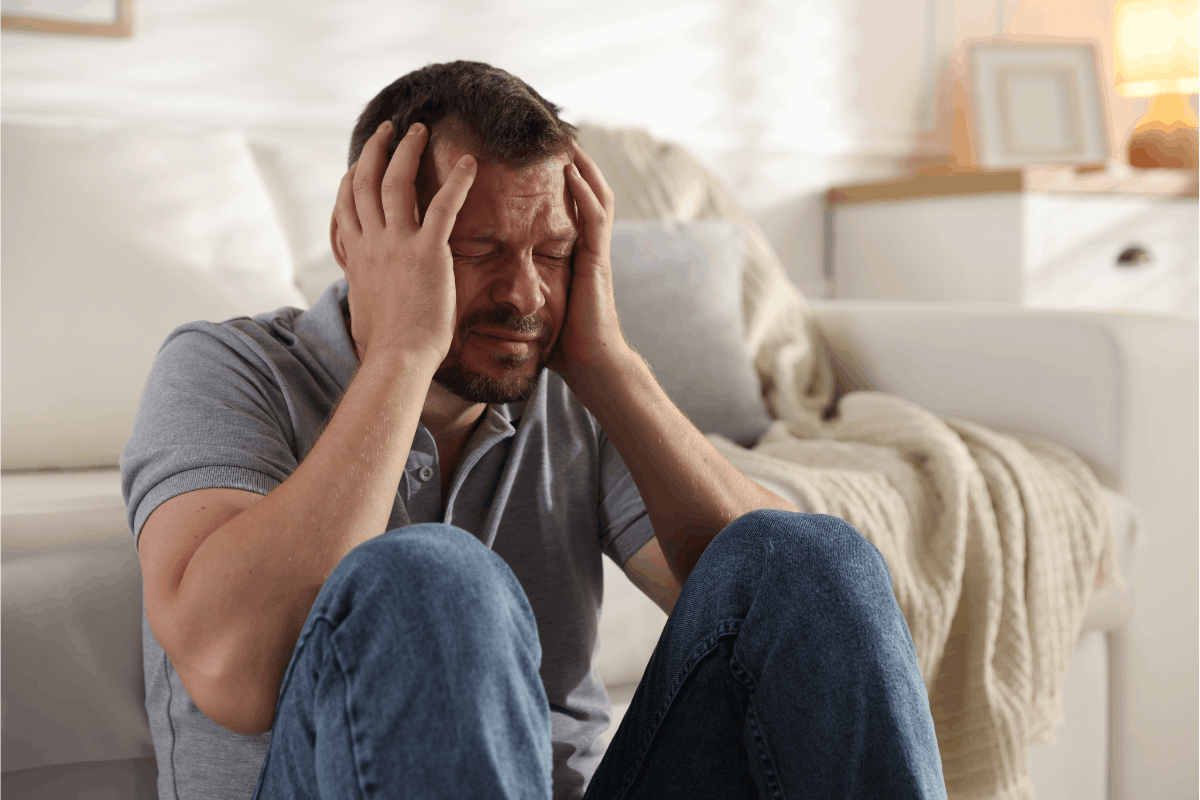
Panic attacks can be overwhelming. Your chest tightens, your heart races, your breathing speeds up, and it feels like something terrible is happening inside your body.
Many people describe the experience as feeling like they are dying. At that moment, it’s completely natural to wonder, “can you die from a panic attack?”
The truth is that panic attacks are not fatal, even though the sensations they cause can feel unbearable.
The fear of dying often becomes part of the panic itself, creating a cycle that feels impossible to escape. Understanding what’s happening in your body can help you calm your nervous system, ease your fears, and take back control.
If you’re struggling with panic attacks or overwhelming anxiety, Atlanta Integrative Psychiatry offers compassionate, evidence-based treatment to help you find relief and confidence in your body again.
What Happens During a Panic Attack
When someone experiences a panic attack, the body’s “fight-or-flight” system activates in full force, even though there’s no immediate danger. This biological response evolved to protect us from threats (like running from a wild animal) but it can also misfire in modern life, triggered by stress, memories, or even thoughts.
During a panic attack, the brain releases a surge of adrenaline. Heart rate and blood pressure rise, breathing becomes shallow, muscles tense, and the senses sharpen. These changes happen rapidly, often within seconds. While they’re designed to keep you safe, they can feel overwhelming when there’s no clear reason for them.
Because these sensations are so intense, people often assume something is seriously wrong with their heart or lungs. The feeling of losing control can make it difficult to believe that what’s happening is “just anxiety.”
Why It Feels Like You’re Dying
The physical sensations of panic—racing heart, chest tightness, dizziness, numbness, and trembling—are easily mistaken for life-threatening conditions such as a heart attack or stroke. The fear of dying during the episode makes the body release even more adrenaline, which amplifies the symptoms further.
This creates what’s called a panic feedback loop. You feel symptoms → you interpret them as dangerous → fear intensifies → symptoms worsen. Breaking this loop can feel nearly impossible in the moment, but understanding it helps reduce its power.
The reality is that panic attacks, while extremely uncomfortable, don’t cause the body to shut down. They are temporary spikes of adrenaline and fear that eventually subside on their own, usually within 10–20 minutes.
The Difference Between a Panic Attack and a Heart Attack
One reason people often ask can you die from a panic attack is that the symptoms closely resemble those of a heart attack. Distinguishing between the two can be confusing, especially during intense fear.
A panic attack typically involves:
- Rapid onset of fear and physical symptoms within minutes
- Pounding or racing heartbeat
- Shortness of breath or hyperventilation
- Tingling or numbness in the hands and feet
- Chest tightness that may move around
- Fear of losing control or “going crazy”
A heart attack, on the other hand, often includes:
- Chest pain that feels like pressure, squeezing, or heaviness (not sharp or fleeting)
- Pain radiating to the arm, jaw, or back
- Shortness of breath accompanied by exertion
- Nausea, cold sweats, or lightheadedness
- Symptoms that persist or worsen with activity
While panic attacks are not life-threatening, it’s always okay to seek medical care if you’re unsure. Many people go to the emergency room the first time they experience one, which is understandable; ruling out physical causes can provide peace of mind and make it easier to address the anxiety moving forward.
Why Panic Attacks Can’t Kill You
Even though the sensations feel extreme, panic attacks are not dangerous. The body has built-in safety limits that prevent anxiety from reaching fatal levels. For example, your heart may race during a panic attack, but it won’t beat itself into cardiac arrest in a healthy person.
The feelings of choking or not being able to breathe come from shallow, rapid breathing, not from a blocked airway. In fact, hyperventilation causes a drop in carbon dioxide, which leads to lightheadedness and tingling, making the experience feel even scarier.
It’s important to remember that while panic attacks feel uncontrollable, the body knows how to regulate itself. Once the stress hormones dissipate, the heart rate and breathing return to normal.
The Role of the Nervous System
To truly understand why panic attacks aren’t fatal, it helps to look at the body’s autonomic nervous system, which controls automatic functions like heart rate and respiration.
This system has two key parts:
- The sympathetic nervous system, which triggers the fight-or-flight response.
- The parasympathetic nervous system, which calms the body afterward.
During a panic attack, the sympathetic system dominates. But the parasympathetic system always follows, restoring balance. Even if it doesn’t feel like it, your body has a built-in brake pedal that ensures you don’t stay in panic mode forever.
Over time, with therapy and stress-management techniques, you can strengthen your ability to activate that calming response more quickly.
The Emotional Impact of Panic Attacks
Although panic attacks can’t kill you, the emotional toll they take is very real. Many people begin to fear having another attack and start avoiding certain places or activities. This can develop into panic disorder, where the fear of panic itself becomes the central problem.
Avoidance may offer temporary relief, but it reinforces the idea that panic attacks are dangerous… which they’re not. Breaking this cycle involves gradually facing triggers in a supportive environment, learning relaxation skills, and building confidence in your body’s resilience.
Managing Panic Attacks in the Moment
When panic strikes, it can feel impossible to think clearly. Having a few grounding tools ready can help bring the nervous system back into balance. These small actions can help deactivate the panic cycle and bring relief faster.
- Focus on your breath. Slow, controlled breathing signals to the body that the danger has passed. Try inhaling for four seconds, holding for two, and exhaling for six.
- Use grounding techniques. Identify five things you can see, four you can touch, three you can hear, two you can smell, and one you can taste. This exercise helps pull your attention out of your racing thoughts and into the present moment.
- Remind yourself that you’re safe. Repeating simple affirmations like “This will pass,” or “My body knows how to calm down” can interrupt catastrophic thinking.
- Move your body gently. If possible, walk around or stretch. Physical movement helps metabolize excess adrenaline and steady your heart rate.
Long-Term Treatment for Panic Disorder
If panic attacks happen frequently or start interfering with daily life, professional support can make a profound difference. Cognitive Behavioral Therapy (CBT) is one of the most effective treatments. It helps identify the thought patterns that fuel panic and teaches tools to change them.
Outpatient mental health treatment such as mindfulness-based stress reduction and somatic therapy, can help retrain the nervous system to respond differently to fear. In some cases, medication may also be used short-term to stabilize symptoms while therapy takes effect.
At Atlanta Integrative Psychiatry, treatment is holistic and compassionate. Clients work with licensed therapists in a supportive, calming environment to learn how to regulate their bodies, process underlying stress, and rebuild confidence. With time and practice, panic attacks become less frequent, less intense, and far less frightening.
When to Seek Medical Attention
Although panic attacks themselves are not life-threatening, it’s always wise to consult a healthcare provider if you experience chest pain, difficulty breathing, or new or severe symptoms. Ruling out physical causes can provide reassurance and make it easier to focus on addressing anxiety directly.
If you ever experience thoughts of self-harm or hopelessness following repeated panic episodes, reach out for help immediately. Emotional exhaustion from panic disorder can feel overwhelming, but with the right care, full recovery is absolutely possible.
Heal From Anxiety Disorders at Atlanta Integrative Psychiatry
So, can you die from a panic attack? No, you cannot die from a panic attack. Your body may feel out of control, but it’s built to withstand temporary surges of adrenaline and fear. The sensations are a false alarm, not a fatal threat.
That said, panic attacks deserve attention and care. They signal that your nervous system is under significant stress and needs support to find balance again. With therapy, mindfulness, and professional guidance, you can retrain your body to respond differently to fear and live with a renewed sense of calm and confidence.